One of the most common waste management mistakes businesses make is using the wrong bin size. Too small and your bins overflow before collection day, causing mess, pest problems, and potential compliance issues. Too large and you're paying for capacity you don't need. Getting it right from the start saves money and hassle.
The Four Standard Commercial Bin Sizes
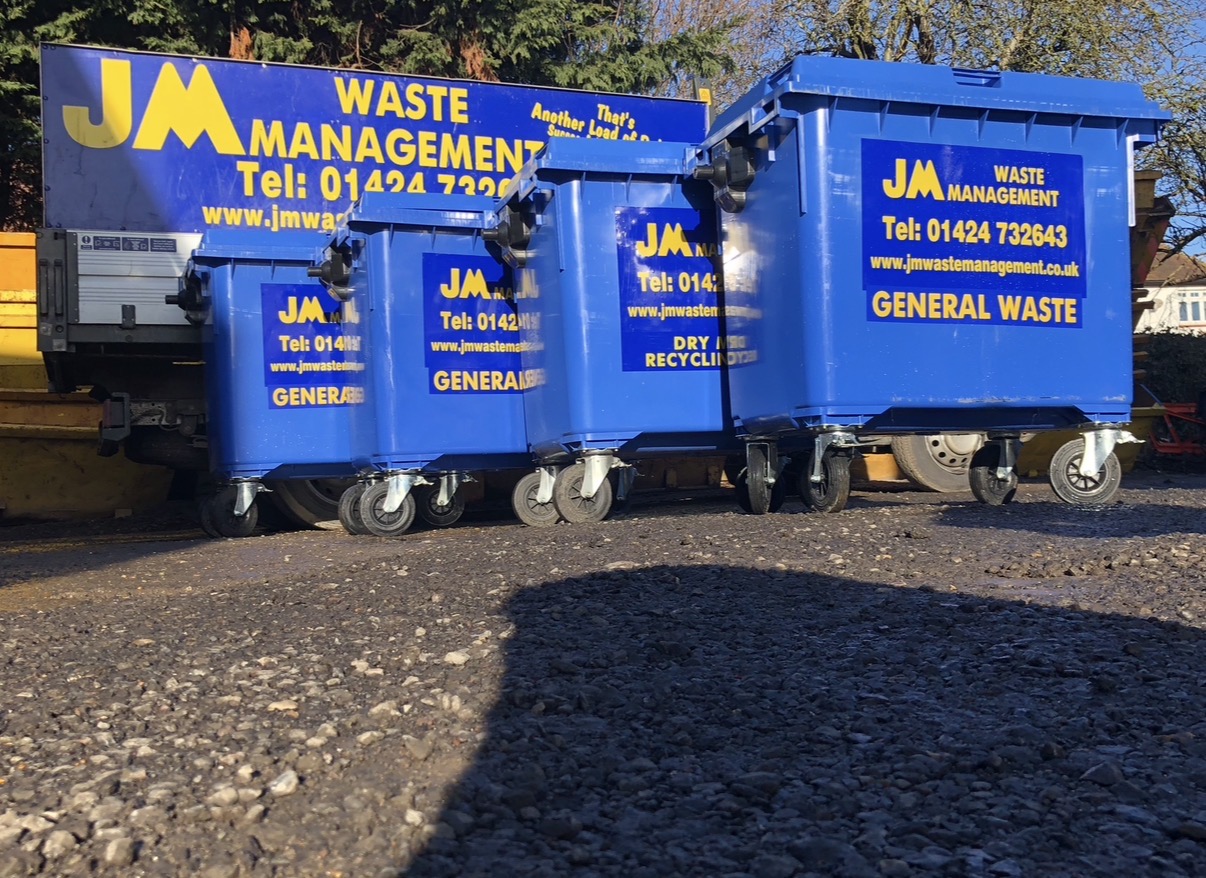
Commercial wheelie bins come in four standard sizes: 240 litres, 360 litres, 660 litres, and 1,100 litres. Each is suited to different types of business and different waste volumes.
240 Litre Bins
The 240-litre bin is the standard size for smaller commercial premises. It's suitable for small offices (up to around 15 staff), small retail units, single-occupancy commercial premises, and light waste generators. If you're generating around 2–4 bin bags of waste per week, a 240-litre bin collected weekly is likely the right fit.
360 Litre Bins
The 360-litre bin is a step up for businesses generating slightly more waste. It suits medium-sized offices (15–30 staff), small restaurants and cafes, retail units with moderate footfall, and businesses that have outgrown a 240-litre bin but don't need a larger container.
660 Litre Bins
The 660-litre bin is popular with hospitality businesses, medium-sized retail operations, and commercial premises with multiple departments or functions. If you're regularly filling a 360-litre bin before your scheduled collection, a 660-litre bin is likely a better fit.
1,100 Litre Euro Containers
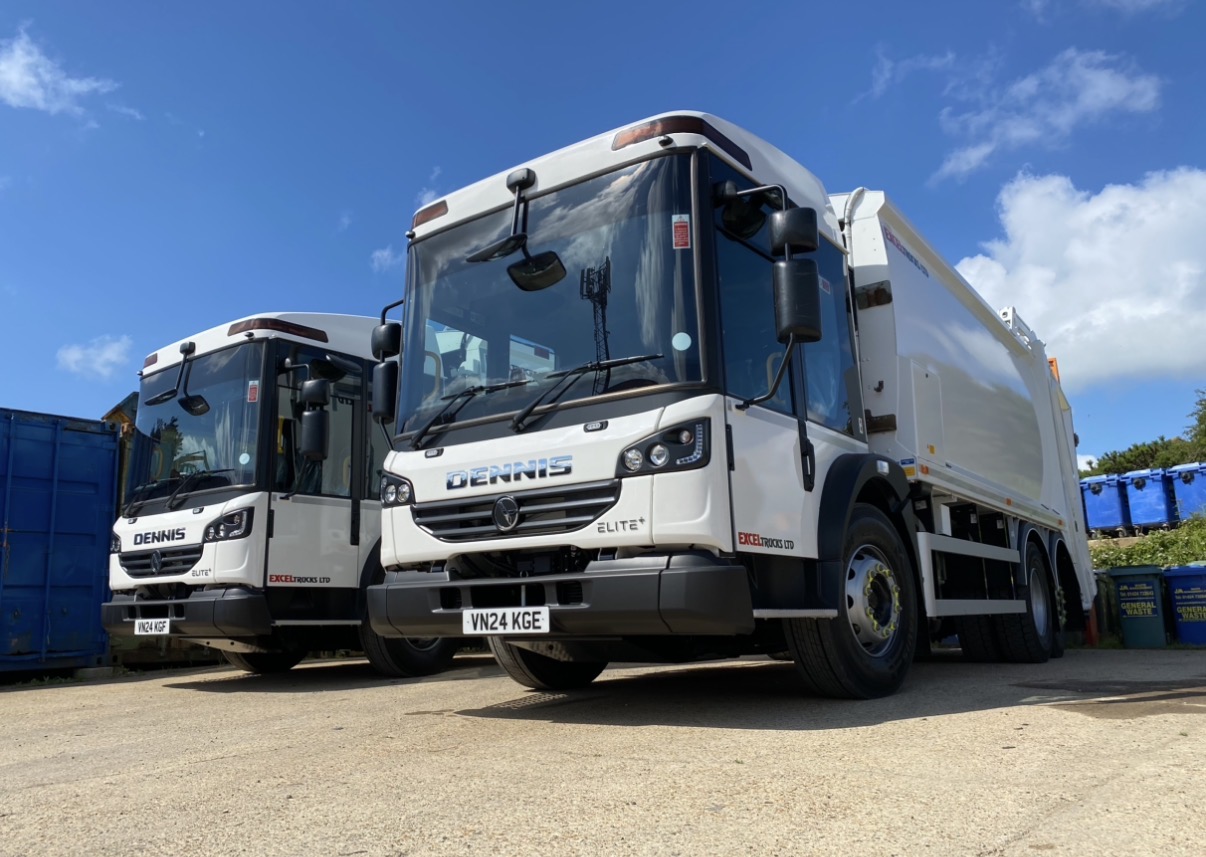
The 1,100-litre euro container is the largest standard commercial wheelie bin. It's suitable for large hospitality venues and hotels, supermarkets and large retail operations, industrial premises, multi-occupancy commercial buildings, and any business generating high volumes of waste. These containers are mechanically lifted, so they require a vehicle with the appropriate lifting equipment.
Don't Forget Recycling Streams
Most businesses need bins for multiple waste streams — general waste, dry mixed recycling, glass bottles, and potentially food waste. The right size for each stream will depend on your business type. A restaurant, for example, will typically need a large general waste bin, a large glass bin, and a smaller DMR bin. A solicitors' office might need a large DMR bin and a small general waste bin.
We'll Advise on the Right Setup
If you're not sure what sizes you need, call us. We'll ask you a few questions about your business type, staff numbers, and current waste issues, and recommend a bin setup that works. We can also start you on one size and adjust if your waste volumes are higher or lower than expected.
We supply and service commercial wheelie bins across East Sussex. Call 01424 732643 for a free consultation and quote.